

For 16 years, companies holding large quantities of dangerous chemicals worked under a federal security program that, among other things, let them check workers and visitors against the government’s terrorist watchlist. That program ended in July 2023 and has not come back, largely because one senator objected to renewing it.
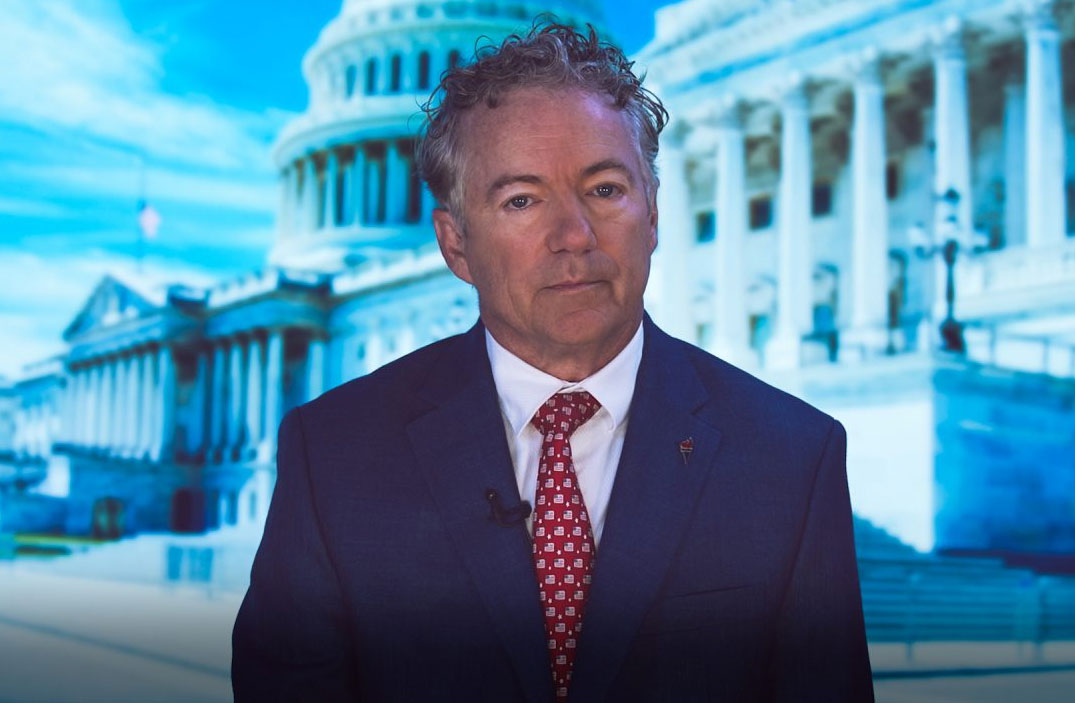
The program, the Chemical Facility Anti-Terrorism Standards (CFATS), was run by the Department of Homeland Security (DHS) through its Cybersecurity and Infrastructure Security Agency (CISA). Its legal authority expired at the end of July 27, 2023, after Senator Rand Paul, a Republican from Kentucky, blocked a fast-track Senate vote on an extension. Paul now chairs the Senate Homeland Security and Governmental Affairs Committee, the panel where any Senate renewal would start.
The lapse is background to the Nov. 13, 2026 discovery of a bomb at the BioUrja Renewables ethanol plant in Peoria, Illinois, which led officials to evacuate a one-mile area on both sides of the Illinois River.
A fast-track vote blocked a day before the deadline
The push to renew CFATS drew support from both parties. The House passed a two-year extension in July 2023. The bill was sponsored by Rep. Laurel Lee, a Florida Republican, and cosponsored by Rep. Mark Green, a Tennessee Republican who chaired the House Homeland Security Committee. A five-year Senate version also had cosponsors from both parties, among them Republican Senators James Lankford of Oklahoma and Shelley Moore Capito of West Virginia and Democratic Senator Tom Carper of Delaware.
On July 26, 2023, Senator Gary Peters, a Michigan Democrat who then chaired the Senate homeland security committee, asked for unanimous consent to pass the House bill. Under that procedure, a single objection stops a bill. Paul, the committee’s ranking Republican at the time, said he backed the program’s purpose but opposed approving it without hearings on whether it was working. He argued that before the program existed, companies secured their sites because insurers required it. He also pointed to a 2021 Government Accountability Office (GAO) report that found overlap between CFATS and other federal programs, and he further cited the size of the national debt. Coverage at the time also reported his view that the rules fell harder on small companies than on large firms able to pay for compliance staff.
Paul proposed a trade. He would allow the extension if the Senate attached his Duplication Scoring Act, which would require each new legislative bill to identify existing programs doing similar work. Peters, noting that his committee had advanced Paul’s DSA bill earlier that year, declined to add what he called “a completely unrelated bill.” Paul then objected, and the program’s authority ran out the following night. Paul maintained at the time that “nobody will notice” the lapse, Bloomberg Government reported.
Three years without a path to renewal
Since then, supporters have looked for must-pass legislation that could carry CFATS past Paul’s opposition. In June 2024, Lee offered an amendment to restore the program through the annual National Defense Authorization Act (NDAA), but the House Rules Committee did not allow it to reach the floor. In January 2025, Paul took over as chairman of the Senate committee where renewal remains stalled.
Industry groups, which often push back on new regulation, have lobbied for the program’s return. Eric Byer, who leads the Alliance for Chemical Distribution, has said that many of the group’s members are small companies that want CFATS reauthorized, a direct refutation of Paul’s argument about burdens on smaller firms.
A GAO report released Sept. 8, 2026, lays out what has changed in the meantime. Facilities lost the federal process for screening personnel and visitors for terrorist ties. CISA personnel assigned to chemical sector work dropped from 214 to 52 between fiscal years 2024 and 2025, leaving about a quarter of authorized positions filled, and private sector representatives told GAO their contact with the agency on security vulnerabilities had declined.
The CFATS regulations remain on the books, but CISA says it cannot enforce them. The agency encourages facilities to maintain their security measures voluntarily, and it has said it will follow up with facilities if Congress reauthorizes the program.
Sources and further reading:
Chemical Facility Anti-Terrorism Standards (CFATS) Laws and Regulations – CISA
Bomb Found at Illinois Ethanol Plant as Federal Chemical Security Support Shrinks – CBRNE Central
Chemical Facility Anti-Terrorism Standards’ expiry means rules will not be enforced, and companies cannot vet new staff – Chemistry World
Chemical Industry Warns of Risks as Congress Lets Rule Lapse – Bloomberg Government
CFATS unanimous consent request – Congressional Record, Senate
Senator’s opposition ends US chem plant security programme – ICIS
Amid Security Concerns, Chemical Industry and Government Unite for CFATS Reinstatement – 3E
CFATS will not be reauthorized in NDAA – Homeland Security Today
Chemical industry groups, GAO press DHS to resume terrorist-screening program – C&EN
This article was researched and sourced by CBRNE Central editors and reported with Claude AI assistance for drafting and editing.